
DECKS
Build to Last
A well-constructed deck transforms outdoor living and amplifies a home’s enjoyment and value. At Paul Winauski Carpentry, we design and build decks that stand up to Vermont’s changing seasons — from heavy snow loads to moisture-driven decay. Whether you want a brand-new deck, an expansion, or expert repairs to restore safety and function, our team delivers durable construction and attention to finish details.
Why a Well-Built Deck Matters
Decks face intense environmental exposure — sun, rain, snow, and freeze-thaw cycles. Proper design, fastening, flashing, and drainage are critical to prevent rot, movement, and structural failure. Additionally, a deck should be both inviting and safe: correct joist spacing, secure railings, and solid ledger attachment are vital. Poorly built decks are safety hazards and can quickly become expensive liabilities.
Key Benefits Of Working With A Professional Deck Builder
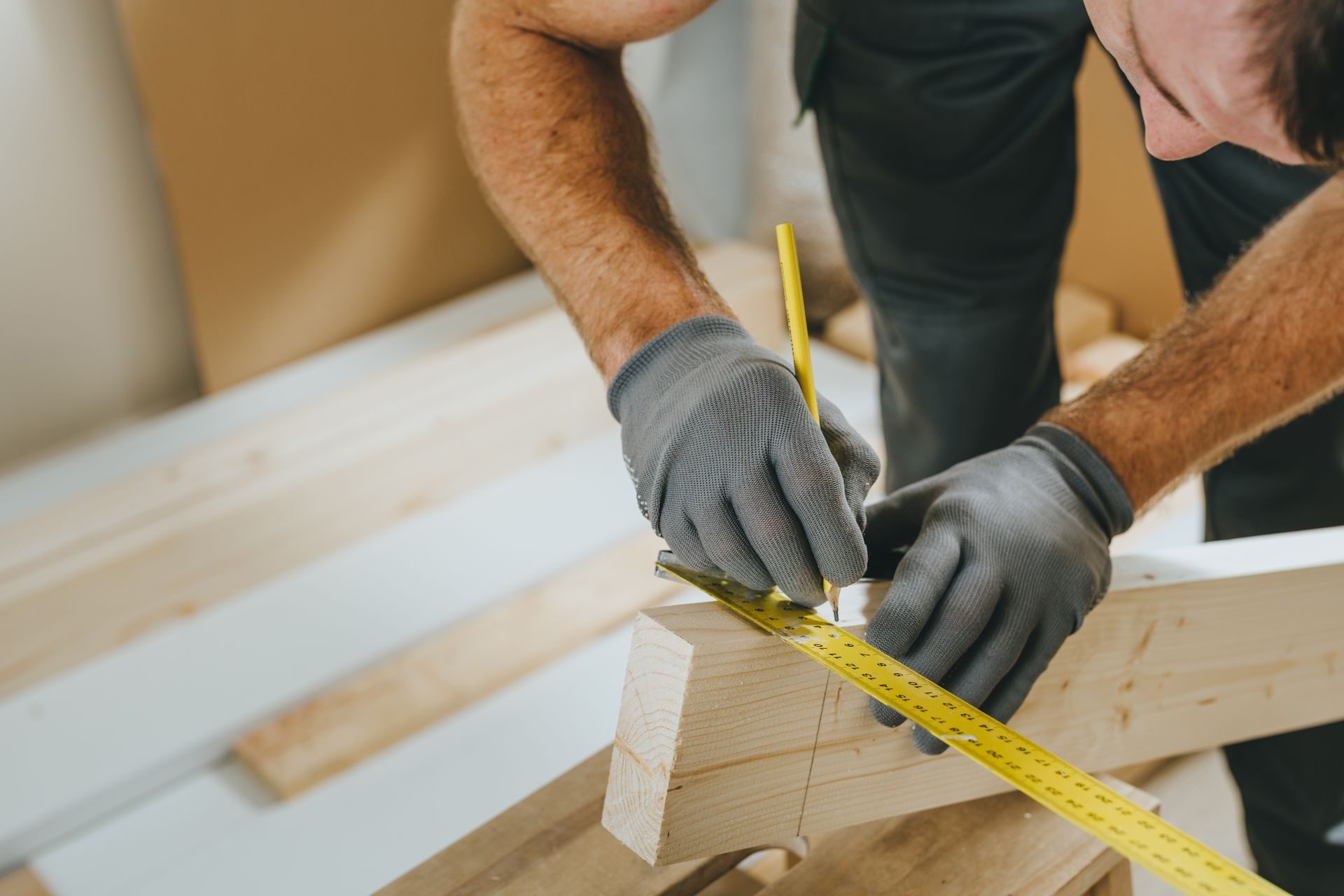
Safety & code compliance: Proper ledger attachment, joist sizing, and railing height all matter for safety and inspection compliance.
Material selection that fits your lifestyle: Choose from pressure-treated wood, cedar, or composite based on appearance, maintenance, and budget.
Longevity: Correct flashing, fasteners, and construction techniques mitigate rot and extend service life.
Aesthetics & resale value: Thoughtful design, finishes, and well-executed workmanship increase curb appeal and property value.
Resale & insurance alignment: Professionally built decks reduce future liability and often meet insurance expectations for property improvements.
Deck Services We Provide
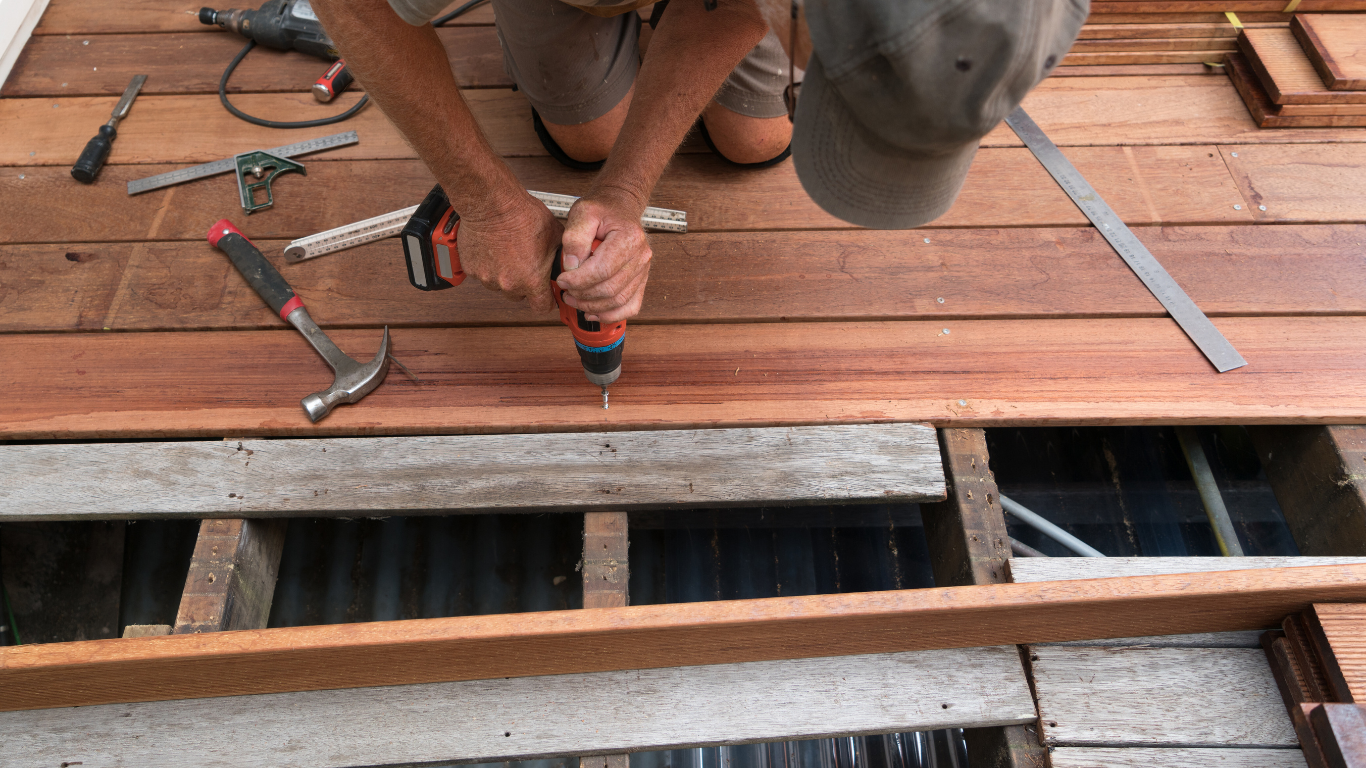
New deck Design & Construction
Deck Replacement & Complete Rebuilds
Deck Repair (sagging, loose railings, rotted framing)
Railing Installation & Code Upgrades
Deck Resurfacing and Refinishing
Composite Deck Installations for Low Maintenance
Stair Construction and Stair Repair
Ledger Flashing and Waterproofing to Protect Against Water Infiltration
Common Deck Problems We Repair
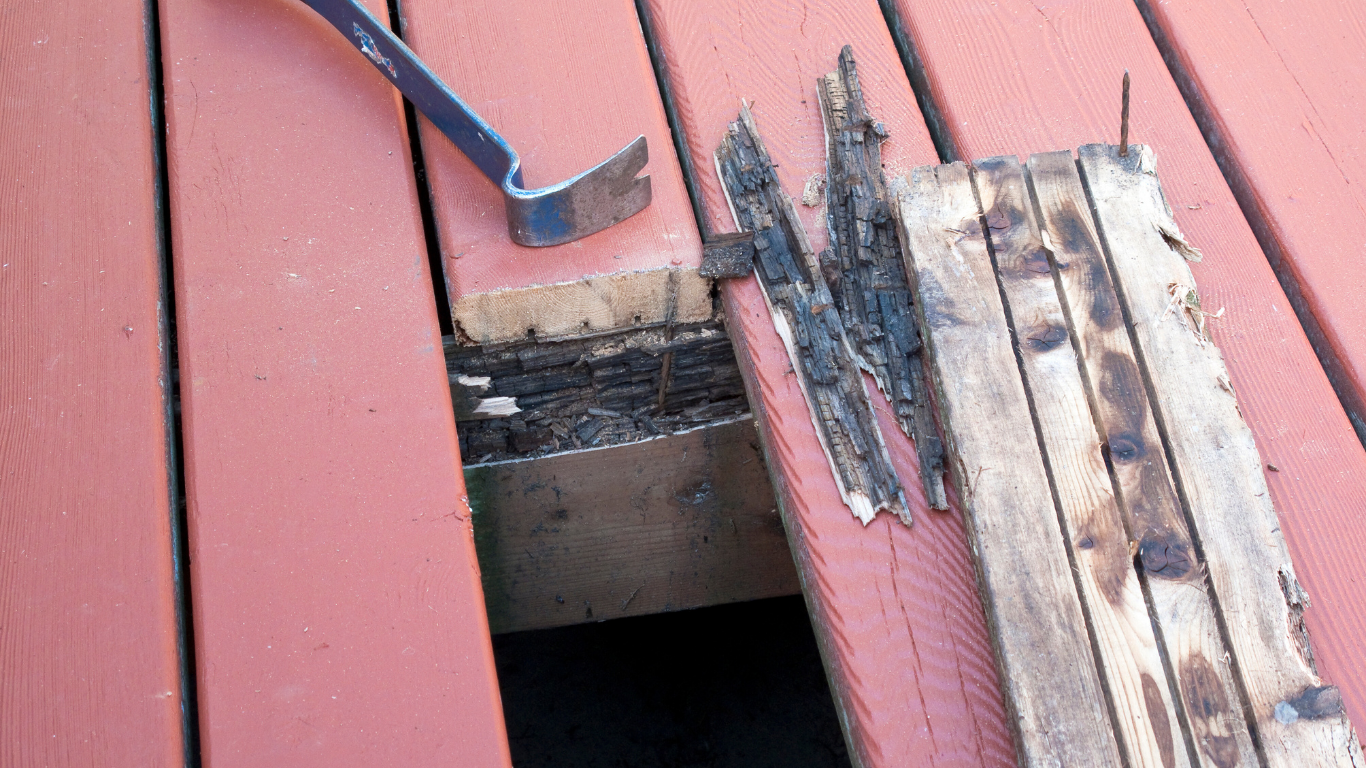
Rotting ledger boards and joists due to inadequate flashing.
Loose railings and wobbly stairs from wear or insufficient fastening.
Rotting deck boards and stair treads from prolonged moisture exposure.
Inadequate footings leading to settlement or uneven decking.
Fastener corrosion and deck board movement.
Material Choices — Pros and Cons
Pressure-treated Lumber: Cost-effective and commonly used for framing; requires maintenance staining for deck boards over time.
Cedar: Natural resistance to rot and attractive color; requires periodic maintenance to preserve appearance.
Composite Decking: Low maintenance and resistant to rot and insect damage; higher upfront cost but lower long-term maintenance.
Hardware: Use stainless or coated fasteners and connectors to prevent corrosion.
Design Considerations for Vermont Climates
Elevated Ledger Flashing: Critical to block water intrusion where the deck attaches to the house.
Ice and Snow Load: Proper joist sizing and footings to handle snow loads and prevent sagging.
Drainage: Slope and gaps designed to promote drainage and airflow below the deck to reduce rot.
Footing Depth: Concrete footings below frost line when required to prevent heaving.
Client inspection and resolution of any small items before final payment.
06
Final Walkthrough
Our Deck Building Process
01
Consultation & Site Evaluation
We review access, sun exposure, slope, and desired usage to recommend a design.
02
Design & Materials Selection
Choose material palette and rail style; we provide sketches and recommendations.
03
Permit and Code Review
We advise on permit needs and local code requirements.
04
Construction
Foundation, framing, decking, and railings are installed by trained professionals; we coordinate inspections if needed.
05
Cleanup & Final Walkthrough
We finish with an inspection, address any adjustments, and provide care instructions.
Deck Repair & Maintenance Tips
Inspect annually for loose fasteners, rot, and water pooling.
Re-stain or seal wood deck boards as recommended—usually every 2–4 years depending on exposure and material.
Replace compromised joists and ledger flashing promptly to prevent larger structural failure.
Avoid pressure washing at high settings on wood decking, which can damage fibers — we offer gentle, effective cleaning options.
Typical Timeline
Small repairs: 1–3 days.
New deck (standard size): 1–3 weeks depending on complexity and permit processing.
Composite decks: Often similar timelines but may require specialized fasteners and techniques.
Cost Considerations
Costs vary by size, material, rail style, and site access. Our written estimates itemize labor, materials, fasteners, and any permit costs. We present budget options (economical, mid-range, premium) to help align design with your budget.
Safety & Warranty
We prioritize safety with guardrail heights, proper stair construction, and secure baluster spacing. We back our craftsmanship with a workmanship warranty described in our contract and provide guidance for seasonal maintenance to prolong deck life.
Frequently Asked Questions
Do you handle permit applications?
Yes — we advise on permit requirements and can manage applications as part of the project.
How long do composite decks last compared to wood?
Composite decks can last 20 years or more with minimal maintenance; wood decks depend on material and maintenance but last 10–25 years with proper care.
Can you add lighting or electrical features?
Yes — we coordinate with licensed electricians for integrated lighting, outlet installation, or other electrical features on decks.
What is the best time of year to build a deck in Vermont?
Spring through fall is typical; early scheduling ensures we can complete projects within the ideal weather window.
Contact & Next Step
If your deck needs repair, replacement, or you want a new outdoor living space designed for Vermont weather, call (802) 793-0041 to schedule an on-site consultation and receive a transparent, itemized estimate.